The TV ERF is a critical piece of infrastructure for the North-East.
We believe that this important facility will provide the only safe, reliable, sustainable and affordable solution for treating rubbish left over after recycling (known as “residual waste”).
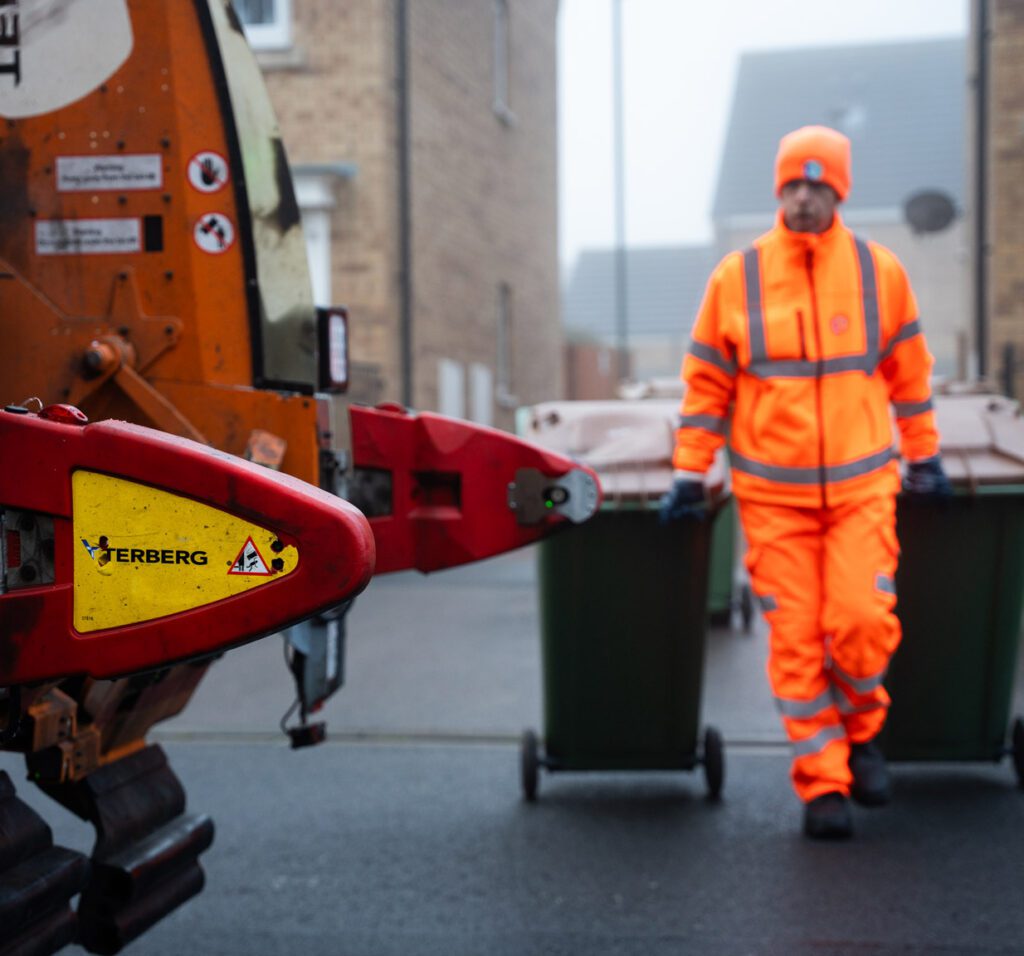
Residual waste is the waste left over after residents and businesses have separated all they can for recycling – through their local kerbside collection services or household waste recycling centres, for example. This waste is typically anything that goes in the general rubbish bin.
Each and every year, more than 1.5 million people living and working across the North-East produce hundreds of thousands of tonnes of residual waste, which would go have to go landfill unless a solution exists to put it to good use instead. That is the vital role of the Tees Valley Energy Recovery Facility (TV ERF).
Even as we aim to recycle more and more, population and economic growth means the amount of residual waste in the region is likely to remain fairly consistent over the next three decades, so the TV ERF has been designed with this in mind.
View and download a short brochure about the TV ERF project.
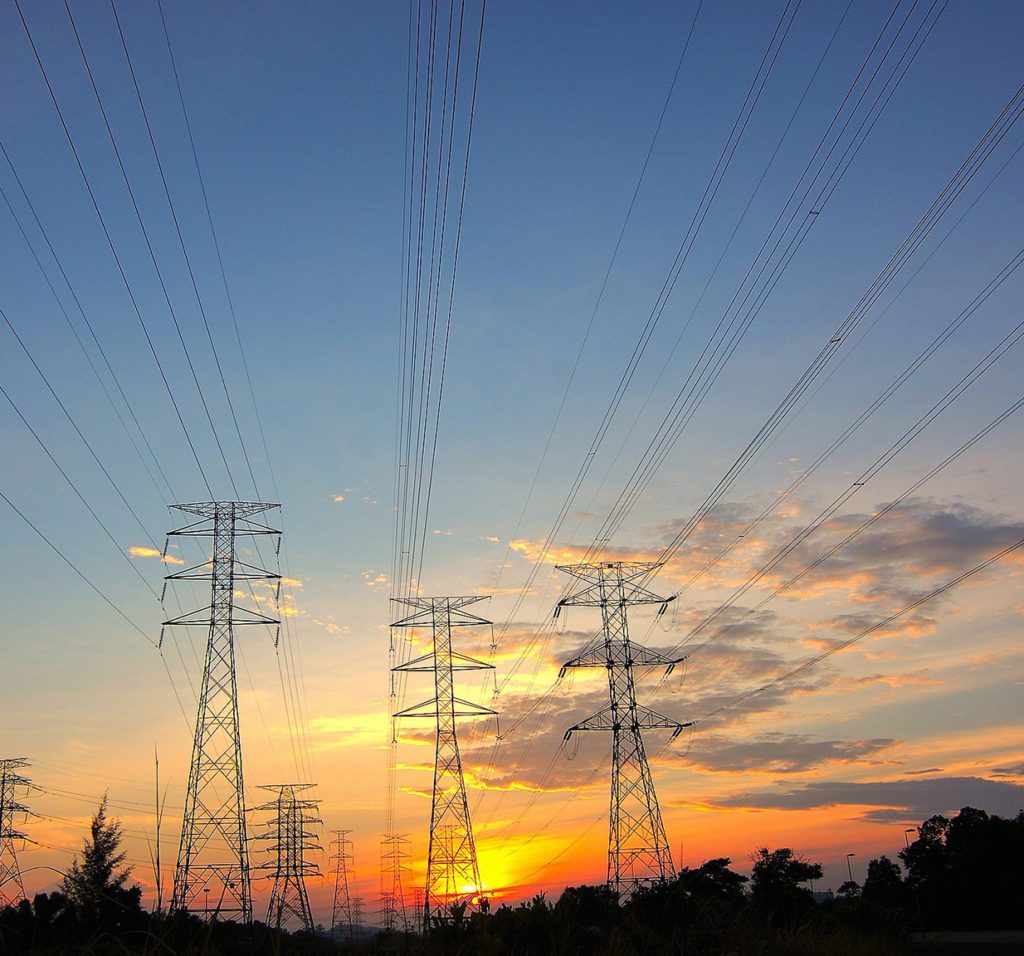
The TV ERF is an energy-from-waste (EfW) plant which uses the general rubbish left over after recycling as a fuel to produce heat and electrical energy. This puts the waste to best use and avoids sending it to landfill, which is the only viable alternative.
There are currently around 60 similar energy-from-waste plants in operation or construction around the United Kingdom and these facilities have a proven track record for being a safe and sustainable way of treating the nation’s general rubbish in accordance with the Waste Hierarchy.
In fact, similar plants have already been operating in the North-East, treating local waste, successfully for decades now and the TV ERF will provide a long-term replacement for older existing facilities.
Once built, from 2029 onwards, the TV ERF will process up to 450,000 tonnes of general rubbish produced across the North-East each year and use it to generate up to 49.9MW of electricity – enough to power the equivalent of 60,000 homes. The plant is also capable of exporting the heat it produces to district-heating networks and could become a low or zero-carbon source of heat and power for new neighbouring businesses.
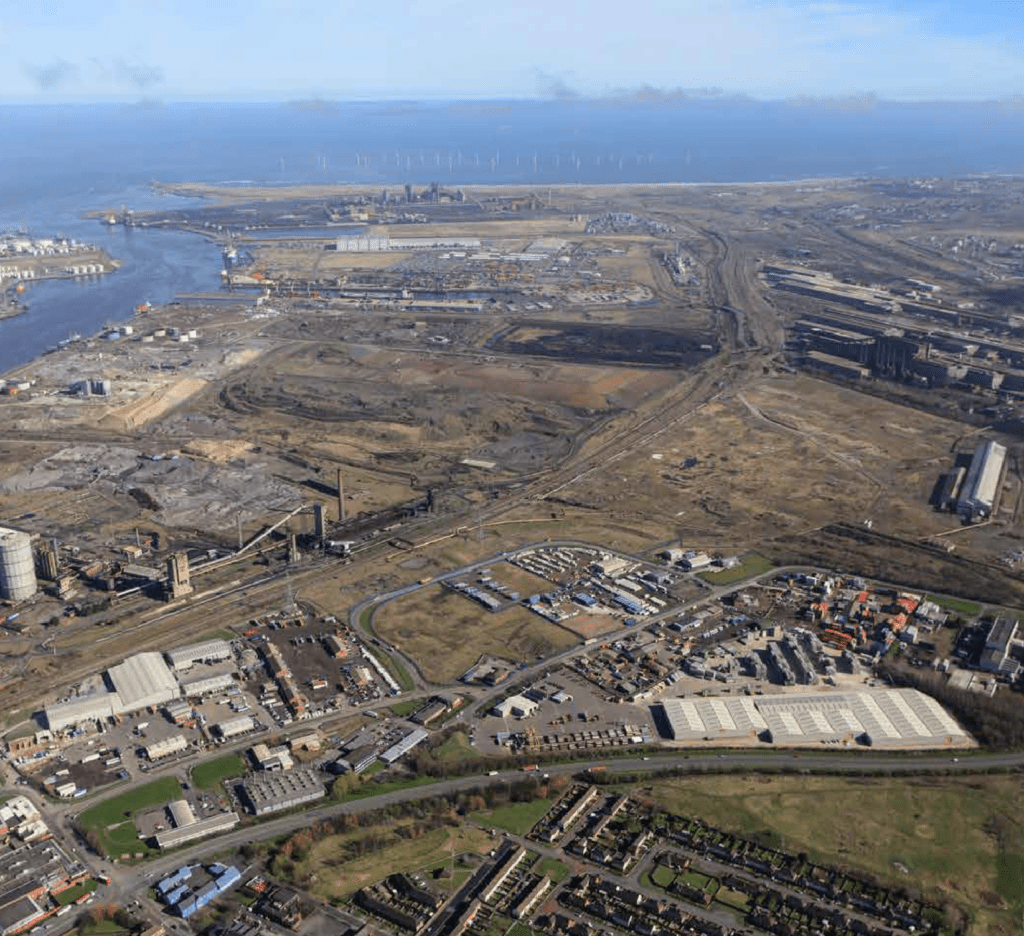
The facility will be located on part of the former steel works at Teesworks in Redcar. The TV ERF will play a role in supporting plans to regenerate this brownfield industrial site and could act as a catalyst to attract other new businesses – in fact, the regeneration benefits of the TV ERF project have already begun through extensive remediation of the site in preparation for the TV ERF.
The TV ERF will support hundreds of jobs during the construction period and up to 50 permanent positions once operational.
This site is allocated for waste management infrastructure in the local development plan and has excellent connections to both the National Grid and the local road network.
This location also offers potential for the TV ERF to export heat, as well as electricity, to future nearby users. Additionally, in the longer term, the TV ERF is ideally located to connect to carbon capture and storage infrastructure as part of the East Coast Cluster.
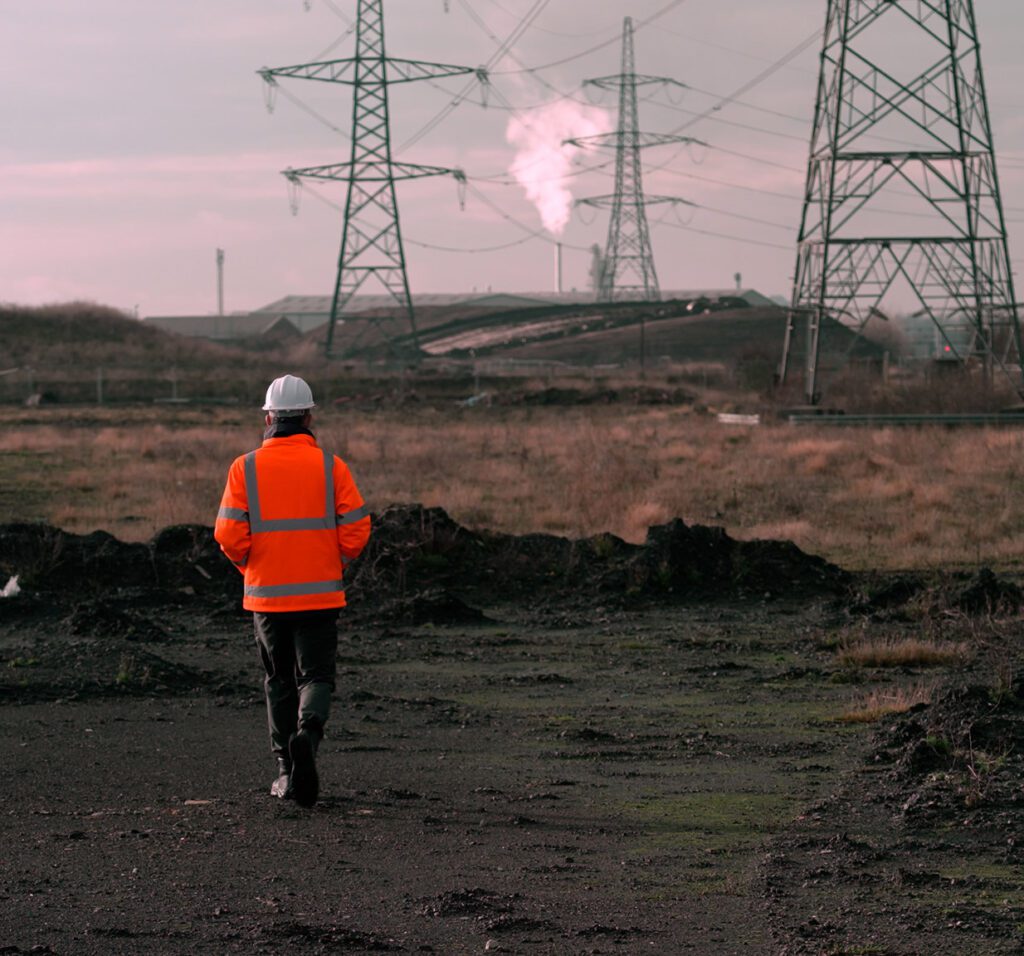
To secure the best expertise at the best value, the project partners undertook an extensive public procurement process which culminated with the appointment of Viridor as Preferred Tenderer in 2025.
The parent councils formed a Special Purpose Vehicle company called Tees Valley Energy Recovery Limited to provide long-term governance to the TV ERF contract and this company reached Financial Close with Viridor on behalf of the councils in April 2026.
Viridor will subsequently build and operate the facility, with construction due to begin in 2026. The facility is expected to become operational from 2030. You can keep up to date with progress on Viridor’s website.
The TV ERF partner authorities each have a statutory duty to safely manage residual waste produced in their respective regions to ensure it doesn’t accumulate and pose a threat to the environment or public health.
This is a vital public service and core business for all local councils. The costs involved are an unavoidable and necessary part of councils’ normal day-to-day expenditure, while the infrastructure needed to deliver these services also comes with costs which must be budgeted for and financed – whether out-sourced or delivered directly by an authority.
Existing contractual arrangements for dealing with the region’s waste are coming to an end and the partners carefully prepared a detailed strategic and commercial case for the TV ERF, considering many other options, over a period of several years. This achieves economies of scale for each authority, while delivering the best operational expertise at the best value.
Through the procurement process, significant weighting was given to the creation of social value for the local community or, in other words, delivery of additional community investment and benefits beyond the core service and associated jobs and supply-chain opportunities (both during construction and long-term operation).
Viridor has committed to delivering an extensive package of community benefits over the life of the contract – which includes employment, training and supply-chain opportunities. Viridor also plans to extend its WeShare Community Fund to support initiatives and projects that matter most to residents in the local area.